The Zero-Waste Kitchen: How to Turn Fridge Scraps into Gourmet Meals
Written By
Pantry Chef
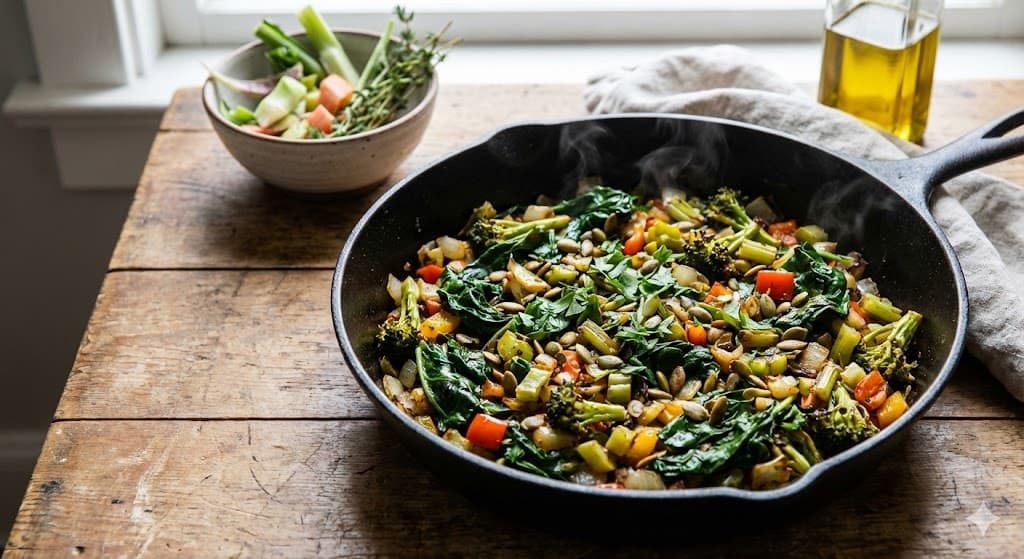
We have all been there. You start the week with the best of intentions, stocking your crisper drawer with beautiful, vibrant produce. But by Friday, you are staring down a handful of limp spinach, half an onion, a softening bell pepper, and the tragic remnants of a bunch of cilantro. The easy way out is the trash can. But the culinary way out? That leads to a Michelin-star experience.
Food waste is one of the most significant challenges in the modern kitchen, but it is also the greatest opportunity for creativity. In high-end professional kitchens, absolutely nothing goes to waste. Scraps, stems, and bruised vegetables are not garbage; they are the foundation of complex flavor profiles. By adopting a "zero-waste" mindset, you not only protect the environment and stretch your grocery budget, but you also unlock a new tier of home cooking.
When you are eating strictly clean, nutrient-dense meals to fuel a sustained fasting window, you cannot afford to waste high-quality organic produce. Here is how to look at your leftover fridge scraps through the eyes of a chef and turn them into gourmet, low-carb dinners.
1. The Wilted Greens Revival
Leafy greens are notoriously fragile. Once arugula, spinach, or kale starts to lose its crispness, it feels destined for the bin. However, wilting is simply the loss of water structure—the nutrients and flavors are completely intact.
The Chef’s Technique: Never throw away soft greens. Instead, flash-sauté them in high-quality olive oil with a smashed clove of garlic and a pinch of chili flake. The heat immediately collapses them into a deeply savory, nutrient-dense side dish. Alternatively, blend limp greens with raw walnuts, olive oil, and nutritional yeast to create a vibrant, zero-waste pesto that can elevate roasted vegetables or be folded into a cauliflower mash.
2. The End-of-Week Skillet Hash
When you have a random assortment of hard vegetables—a lonely zucchini, a wedge of cabbage, or a single sad bell pepper—they lack the volume to be a standalone side dish. The secret is unification.
The Chef’s Technique: Dice all your leftover vegetables into a uniform size. Sauté the hardest vegetables (like broccoli stems or peppers) first, then add the softer ones. Clear a space in the center of the cast-iron skillet, add a touch of oil, and bloom your favorite whole spices—cumin seeds, mustard seeds, or smoked paprika. Toss everything together. You have just created a complex, textured vegetable hash that serves as a phenomenal, high-fiber base for your evening meal.
3. The Magic of Stems and Herb Oils
If you are throwing away the stems of your cilantro, parsley, or broccoli, you are throwing away the most intensely flavored parts of the plant.
The Chef’s Technique: Finely chop cilantro or parsley stems and use them exactly like you would use onions or garlic at the beginning of the cooking process; they release a profound aromatic base. For wilting herbs, submerge them entirely in a jar of olive oil. The oil will extract the essential oils from the herbs over a few days, leaving you with a brilliant, emerald-green finishing oil that looks and tastes like it came from a fine-dining kitchen.
4. The "Kitchen Sink" Frittata or Bake
When all else fails, a baked dish is the great equalizer of random ingredients. It requires almost zero active prep time and easily handles whatever you throw at it.
The Chef’s Technique: Take whatever leftover low-carb vegetables you have, roast them aggressively until the edges are charred and caramelized, and fold them into a simple batter of your choice—whether that is an egg base or a vegan chickpea flour mixture. Bake until golden. This transforms disjointed scraps into a cohesive, sliceable, highly satiating meal.
Solve the Puzzle with AI
The hardest part of zero-waste cooking is the mental gymnastics required to figure out how half a zucchini and a handful of soft spinach go together. Decision fatigue is real, especially at the end of a long day.
This is exactly why we built Get Pantry Chef. You don’t need to be a master chef to cook like one. Simply open the app, type in the exact scraps sitting in your crisper drawer, and let our AI engine do the heavy lifting. Within seconds, it will generate a cohesive, highly nutritious recipe that uses up your leftovers, prevents food waste, and keeps your dietary goals perfectly on track.
Don't throw away your groceries. Sign in to Get Pantry Chef today, input your leftovers, and let the AI build your next masterpiece.
Recipe Card
Save this for later
Zero-Waste Green Veggie Skillet
A high-satiety, nutrient-dense hash that rescues end-of-week fridge scraps and transforms them into a savory, low-carb masterpiece.
Ingredients
- 2 cups leftover wilted greens (spinach, kale, or arugula)
- 1 cup chopped random hard vegetables (bell pepper, zucchini, or broccoli stems)
- 2 tbsp cold-pressed extra virgin olive oil
- 1 tsp cumin seeds and 1 tsp smoked paprika
- Handful of leftover fresh herbs (stems included), finely chopped
Instructions
- Uniformly dice your hard vegetables to ensure even cooking.
- Heat olive oil in a skillet over medium heat and toast the cumin seeds until fragrant.
- Add the hard vegetables and sauté until they begin to caramelize and soften.
- Fold in the wilted greens and smoked paprika, stirring until the greens just collapse.
- Remove from heat, toss with the finely chopped fresh herbs and stems, and serve hot.
Ready to transform your pantry?
Let AI create a custom Michelin-star meal using exactly what you have in the kitchen.
Start Cooking Now